How to choose payment methods for your e-shop
Card, bank transfer, cash on delivery or a digital wallet? How to pick payment methods for a small e-shop and which questions to ask a payment provider.
A customer decides quickly whether an order feels safe and familiar, and the payment methods you offer are a big part of that impression. You do not need every option. You need the few that fit your customers and that you can run without extra work. Here is how I think it through.
The common options
- Card payment. The default for most online shops. The customer pays straight away and you see the order as paid.
- Bank transfer. Familiar and simple, but the customer has to pay separately after ordering, so some orders stay unpaid and someone has to track them.
- Cash on delivery. Some customers still prefer to pay when the parcel arrives. It can help a first-time buyer trust you, but it may come with an extra fee, and a parcel that is not collected costs you the shipping.
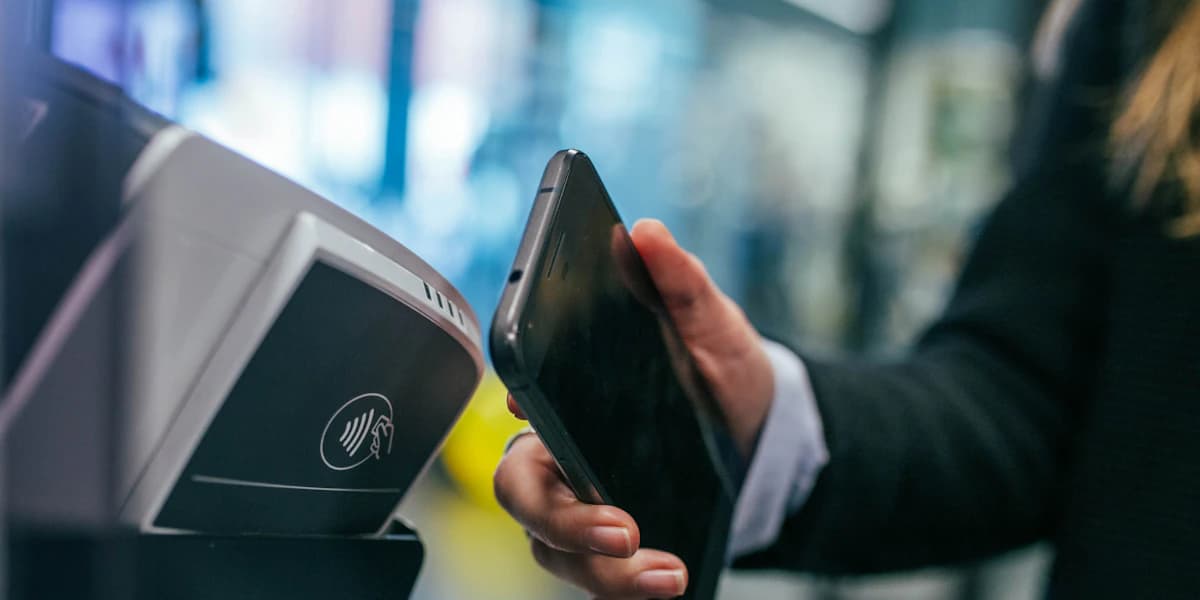
- Digital wallets. Paying with a phone is quick because the card details are already stored there. Whether you can offer it depends on your payment provider.
Questions to ask a payment provider
- What are the fees, and are they charged per transaction, monthly, or both?
- When does the money reach my bank account, and how often are payouts made?
- How are refunds handled, and is there a fee for a refund?
- What happens when a customer disputes a payment with their bank?
- Which e-shop platforms does it connect to, and is that connection actively maintained?
- What is needed to open an account, and how long does approval take?
Keep the answers in writing and compare the total cost, not only the headline rate.
Think about the whole flow
Payment is not just the button on the last step. Decide what happens when a payment fails or the customer closes the window: does the order stay open, and does the customer get an email with a link to pay again? With bank transfer, who marks the order as paid? Where do you issue refunds? These small details create most of the daily work after launch. It also helps if payments match what your accountant needs to see.
Start small
Two or three methods are usually enough at the start: a card payment and one alternative that your customers expect. Add more when you see what people ask for. Show the accepted methods clearly on the product page and in the cart, so nobody is surprised at the end. If customers abandon the order at this stage, read why customers leave the checkout.
If you want to talk through which methods fit your shop, write to me. Connecting payments is part of e-shop development.