Delivery options for an e-shop: what customers expect
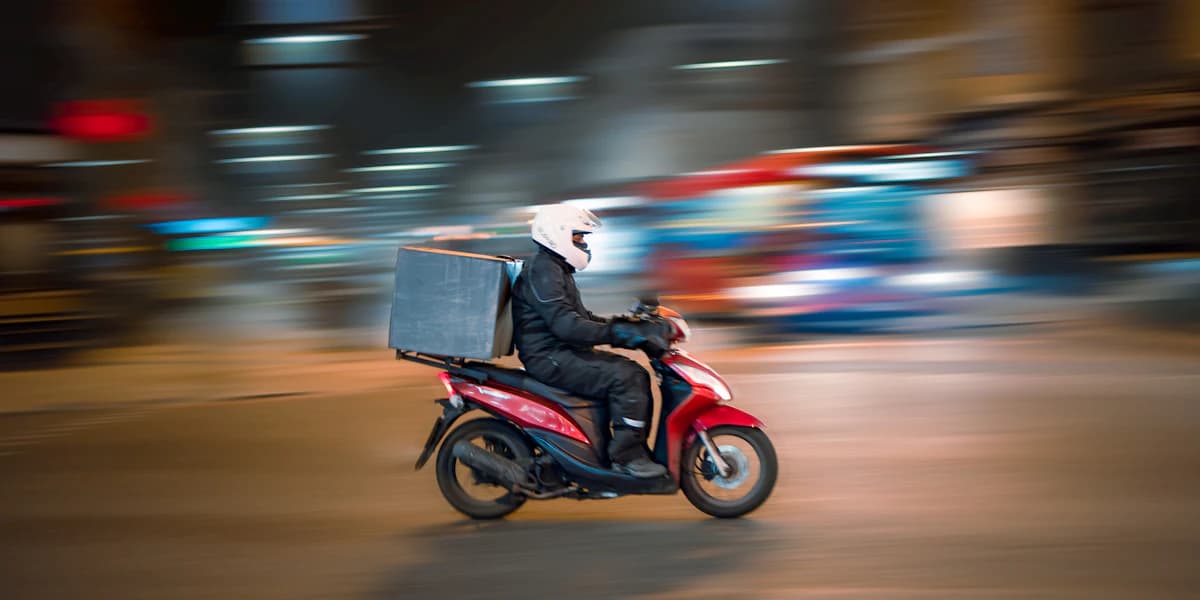
Courier, pickup points or collection in person? How to choose delivery options, set shipping prices and a free-delivery threshold, and set customer expectations.
Delivery is one of the first things a customer checks, often before reading the product description. When the options and prices are clear, the order is easier to complete. Here are the choices I would go through for a small shop.
The main options
- Courier to the door. Convenient for the customer, but someone has to be at the address or arrange for a neighbour. It is often the most expensive option.
- Pickup points and parcel lockers. Many customers like to collect a parcel when it suits them. Let them choose the pickup point inside the checkout, so they do not have to look up an address elsewhere.
- Collection in person. Useful if you have a shop, a warehouse or an office. Give the address and opening hours, and say when the order will be ready.
What you can offer also depends on what you sell. Bulky or fragile goods may only suit a courier.
Shipping price and free delivery
Show the price before the last step. A shipping fee that appears only at the end is one of the most common reasons people give up. Two usual approaches are a flat price per delivery method, or a price based on weight or size.
Free delivery above a certain order value is popular because it encourages a larger basket, but only if your margin allows it. Work it out with your own numbers: the typical order value, the margin on your products and what the carrier charges you. Then show in the cart how much is missing for free delivery, so the customer sees the benefit while deciding.
Set the right expectations
- State the delivery time for each method, and say from when it counts: from the order or from the dispatch.
- If you dispatch only on certain days, say so.
- If an item is not in stock, tell the customer how long it will take before they pay.
- Send an email when the parcel is dispatched, with a tracking link if the carrier provides one.
- Explain what happens if nobody is at home and who to contact if the parcel is damaged.
Keep it manageable
Offer only what you can really handle. Every method means labels, packaging, an agreement with a carrier and cases to resolve. Two or three options are a good start, and you can add more when customers ask. If you plan to connect the shop to a carrier's system, it is worth checking early whether the carrier offers such a connection.
The same information belongs on a clear delivery page, which I describe in returns and terms pages for an e-shop. If you would like help setting delivery up in your shop, write to me or see e-shop development.